
Transforming Research into Action for Women's Rights in Africa


Every year, countless reports highlight the struggles women and girls face across Africa. Issues like gender-based violence, economic inequality, digital exclusion, and health disparities remain persistent. Yet, despite the wealth of data, many communities still experience the same challenges. The problem is not a lack of evidence but the failure to turn research into meaningful action.
Research Is Only the Beginning
Research plays a crucial role in understanding the problems women and girls face. It reveals the scale of gender-based violence, the gaps in economic opportunities, and the barriers to digital access. However, research alone cannot solve these issues. The real value lies in using research to create practical solutions that improve lives.
Development organisations must go beyond collecting data. They have a responsibility to ensure that research informs policies, strengthens institutions, and leads to real-world change. For example, the Centre for Human Development (CHD) designs its research with implementation in mind, focusing on how findings can be applied to support communities directly.
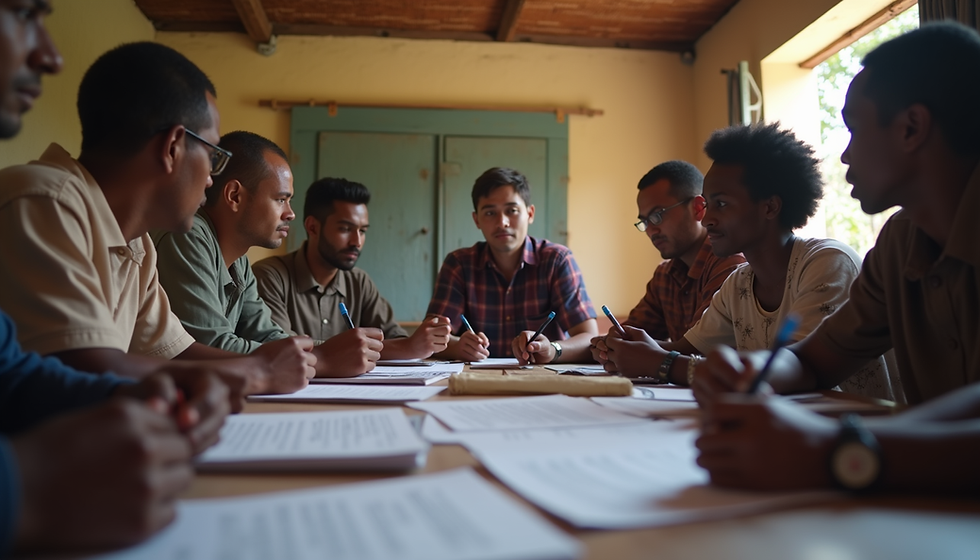
Communities Are Experts Too
People living through these challenges have deep knowledge that numbers alone cannot capture. Community voices provide insights into:
Barriers that statistics miss, such as social stigma or cultural norms
Local solutions already in place that can be scaled or adapted
Cultural realities that affect how programs should be designed
Opportunities for sustainable change rooted in community strengths
When communities participate in shaping research, they build trust in the process and are more likely to embrace the solutions that emerge. For instance, in rural areas where digital exclusion is high, involving women in research helped identify simple, low-cost ways to improve mobile access and digital literacy.

Technology Must Serve People
New technologies like artificial intelligence, digital platforms, and mobile tools offer exciting opportunities to support development work. These tools can:
Improve access to critical information on health, safety, and rights
Strengthen reporting mechanisms for gender-based violence
Support decision-making by providing timely data to local leaders
Protect vulnerable populations through early warning systems
Amplify community voices in policy discussions
Technology should never replace human connection. Instead, it must enhance human wellbeing. For example, mobile apps that allow anonymous reporting of violence have helped women in some regions seek help without fear of retaliation.
Turning Evidence into Policy
Research has the greatest impact when it reaches those who make decisions. Evidence-informed policies can improve:
Digital safety laws that protect women online
Gender equality initiatives that promote economic inclusion
Community resilience programs that address local needs
Youth engagement strategies that empower young women
Health systems that reduce disparities in care
Education programs that close gender gaps in learning
The goal is not just to publish reports but to create lasting change. When policymakers use research to guide their actions, communities benefit directly.

CHD’s Vision for Lasting Change
The Centre for Human Development believes that research must lead to dignity. This means ensuring that data translates into action that respects and uplifts women and girls. CHD’s approach combines rigorous research, community engagement, and technology to build solutions that last.
By focusing on implementation from the start, CHD helps bridge the gap between knowledge and impact. Their work shows that when communities are involved, technology is used wisely, and policies are evidence-based, progress becomes possible.

Turning research into action is essential for advancing women's rights in Africa. It requires listening to communities, using technology thoughtfully, and pushing for policies grounded in evidence. When these elements come together, research becomes a powerful tool for change. The next step is clear: organizations, governments, and communities must work together to transform knowledge into dignity and opportunity for all women and girls.

Comments