
Health Justice: Bridging the Gap for Vulnerable Communities in Nigeria

Imagine having to decide between buying food or paying for medical treatment. For millions of Nigerians, this is not a choice but a daily struggle. Health outcomes depend on more than just access to hospitals or doctors. Factors like income, gender, location, education, disability, and age shape who gets care and who does not. These inequalities create barriers that leave many without the help they need when it matters most.
At the Centre for Human Development (CHD), the belief is clear: health should never depend on privilege. Health is a human right. This belief drives the CHD Health Support Initiative (CHD-HSPI), a program focused on expanding healthcare access, improving health knowledge, and promoting fairness in health for vulnerable communities.

Understanding Health Justice
Health justice means creating a society where everyone has a fair chance to be healthy. It goes beyond just having hospitals or doctors nearby. It means people also need:
Clear information about health and prevention
Supportive systems that help with social and economic challenges
Policies that address the root causes of poor health
When health systems fail to reach everyone, communities suffer. Families get stuck in cycles of sickness and poverty. Children miss school, adults lose jobs, and entire communities lose chances to grow and thrive.
Health justice aims to change this by making sure no one is left behind.
Why Health Justice Matters in Nigeria
Nigeria faces many health challenges. While some have access to good care, many do not. Rural areas often lack clinics, and urban slums can be overcrowded with limited services. Poverty means many cannot afford treatment or medicine. Women and people with disabilities face extra hurdles.
These gaps cause preventable diseases to spread and worsen. For example, malaria, tuberculosis, and maternal health problems remain high in parts of Nigeria. Many deaths happen because people cannot get timely care or do not know how to prevent illness.
Health justice means closing these gaps. It means making sure everyone, no matter where they live or how much money they have, can get the care and support they need.
How CHD Health Support Initiative Works
The CHD-HSPI focuses on practical ways to improve health for vulnerable Nigerians. The program works by:
Supporting individuals and families who face healthcare challenges, helping them access treatment and medicine
Promoting preventive health education so people understand how to avoid illness and stay healthy
Improving health literacy to help people make informed decisions about their health
Connecting communities to healthcare resources such as clinics, health workers, and support groups
Advocating for fair healthcare policies that include everyone, especially the underserved
Using technology to share health information and connect people to services
For example, CHD-HSPI runs community workshops teaching mothers how to recognize early signs of illness in children. They also help link patients with local clinics that offer free or low-cost treatment. These efforts reduce delays in care and improve health outcomes.
Real Stories from the Field
In a small village in northern Nigeria, a mother named Dara struggled to get treatment for her sick child. The nearest clinic was far, and she could not afford transport or medicine. Through CHD-HSPI, Dara learned about a local health worker who visits villages regularly. She received guidance on home care and was connected to a nearby clinic offering free treatment. Her child recovered quickly.
Stories like Dara’s show how health justice can change lives. When barriers are removed, people get the care they need and can focus on building better futures.

The Role of Health Literacy
Health literacy is the ability to understand and use health information. It affects how people:
Recognise symptoms
Follow treatment plans
Prevent illness through lifestyle choices
Low health literacy is common in underserved communities. Many people do not have access to clear, simple health information. This leads to misunderstandings, delayed care, and poor health outcomes.
CHD-HSPI works to improve health literacy by creating easy-to-understand materials in local languages. They use radio programs, community meetings, and mobile phone messages to reach people. This helps individuals make better health decisions and reduces preventable diseases.
Building Stronger Healthcare Connections
Access to healthcare is not just about clinics. It also means having support systems that help people navigate care. Many vulnerable Nigerians face challenges like:
Long distances to health facilities
High costs of treatment
Lack of transportation
Social stigma around certain illnesses
CHD-HSPI helps by connecting communities with local health workers, transport options, and support groups. These connections make it easier for people to get timely care and follow through with treatment.
Advocating for Fair Healthcare Policies
Health justice requires changes at the policy level. CHD-HSPI works with government agencies and partners to push for policies that:
Increase funding for rural and underserved areas
Include vulnerable groups in health planning
Remove financial barriers to care
Support preventive health programs
These policy changes help create a health system that serves everyone fairly.
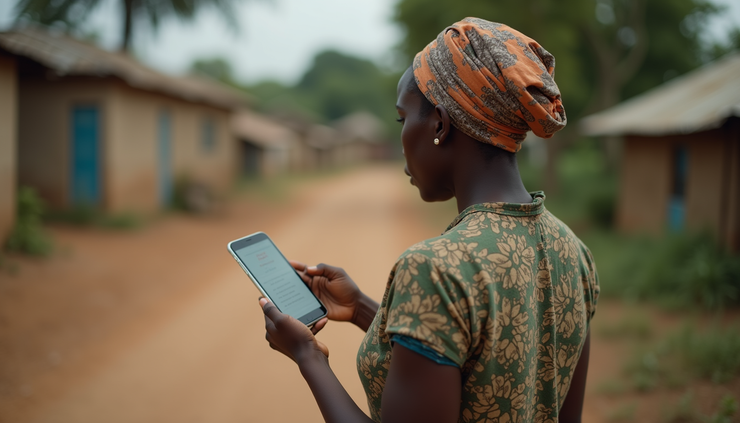
Using Technology to Improve Health Access
Technology can help bridge health gaps. CHD-HSPI uses mobile phones and digital tools to:
Share health information quickly
Track patient care and follow-ups
Connect remote communities with health experts
For example, health workers use mobile apps to record patient symptoms and get advice from doctors in cities. This improves diagnosis and treatment in areas without specialists.
What You Can Do to Support Health Justice
Everyone can play a role in promoting health justice. Here are some ways to help:
Support organisations like CHD that work with vulnerable communities
Share accurate health information within your networks
Advocate for policies that improve healthcare access and affordability
Volunteer or donate to local health programs
Encourage preventive health practices in your community
Small actions add up to big changes.


Comments